Trip preparation · Practical groundwork
Ready for the bush
Good preparation is mostly about remoteness: long distances, limited medical care, small aircraft and early starts. Plan for those, and the rest of the trip becomes simpler.
Start with timing and budget
Decide your travel window first, then choose habitat using our seasonal matrix. Popular camps in peak months can book up many months ahead, especially in Botswana and the Mara conservancies. Gorilla permits in Rwanda and Uganda are limited daily and should be secured before flights. Build in at least three nights per location; constant moving costs time, money and carbon, and reduces your chance of settling into a landscape.
Health: get advice early
Visit a travel health clinic six to eight weeks before departure. Many safari regions carry malaria risk, and a clinician can recommend suitable antimalarial medication for your itinerary and health history. Some countries require proof of yellow fever vaccination, particularly for travellers arriving from or transiting through countries with risk of transmission. Requirements change, so confirm them with official government sources and your airline. For primate treks, park authorities may refuse entry to visitors with visible respiratory illness.
In remote reserves, the nearest hospital can be a flight away. Insurance with medical evacuation is not an extra; it is part of the trip.
Plimarosafari field note
Documents and money
Passport and visas
Check validity rules and blank-page requirements; several countries use online systems such as Kenya's Electronic Travel Authorisation.
Insurance
Confirm cover for medical evacuation from remote areas and for any walking or primate trekking activities.
Payments and tips
Carry some small notes for gratuities; ask the operator about local tipping guidance for guides, trackers and camp staff.
Luggage on light aircraft
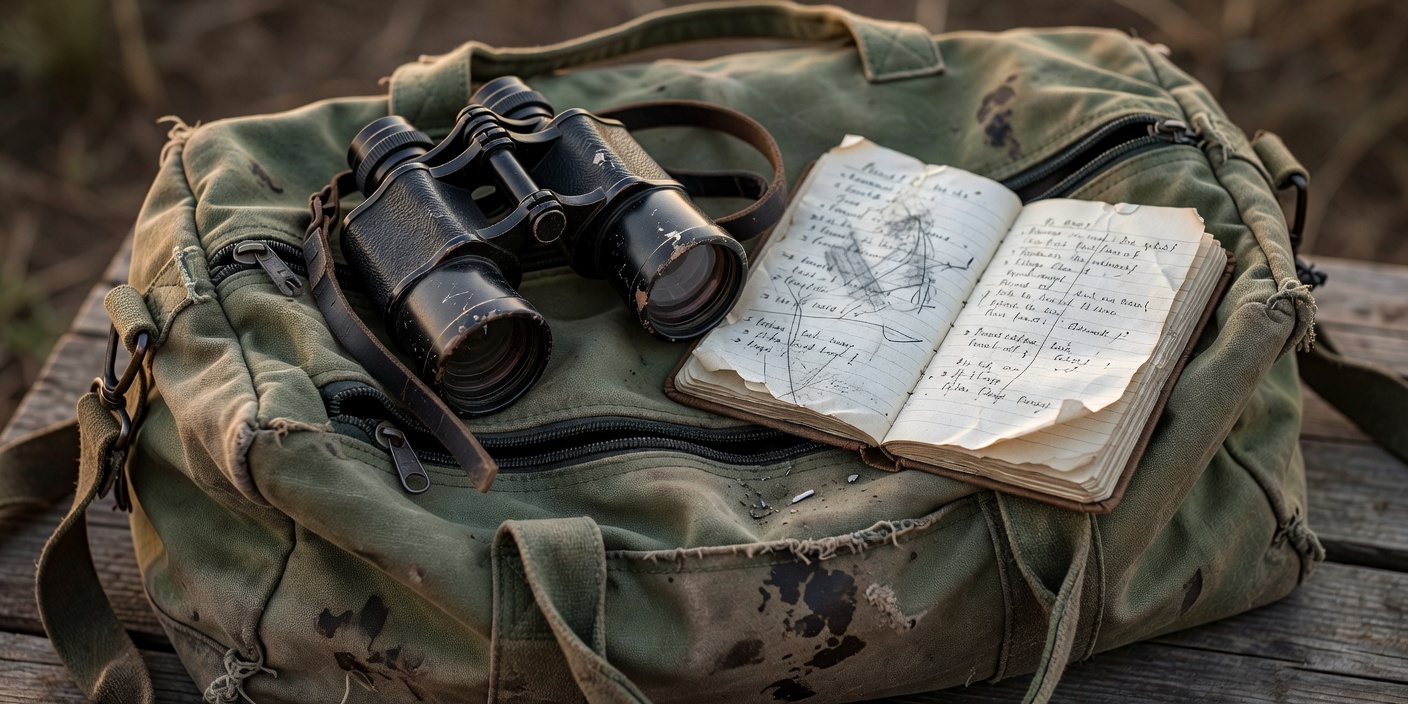
Many camps in Botswana, Zambia, Tanzania and Kenya are reached by small aircraft. Operators commonly set limits of around 15 to 20 kg per person including hand luggage, and often require soft-sided bags without wheels or rigid frames. Limits vary by route and aircraft, so confirm them with your operator. Most camps offer laundry, which means you can pack far less than you expect.
Clothing that suits the land
Choose neutral colours such as khaki, olive, stone and brown. In tsetse fly areas, avoid dark blue and black, which attract the flies; bright white shows dust and may stand out on walks. Bring layers: early game drives in southern Africa's winter can be close to freezing in an open vehicle, while afternoons are warm. Long sleeves and trousers help with sun and insects at dusk.
The numbered packing list
- Binoculars. One pair per person, ideally 8x42 or 10x42.
- Layered neutral clothing. Two or three sets plus a warm fleece and a light waterproof.
- Wide-brimmed hat and sunglasses. Equatorial sun is strong even on cool days.
- Insect repellent. A product recommended by your clinic for the region.
- Personal medication. In original packaging, with a copy of prescriptions.
- Head torch. Camps are often unfenced and dimly lit at night.
- Dust protection. A buff or scarf and a dry bag for camera gear.
- Power and charging. Correct plug adaptor and a small power bank; some camps run on limited solar.
- Reusable water bottle. Most camps provide filtered refills.
- Field notebook or guidebook. A regional field guide to mammals or birds deepens every drive.
Camera and expectations
A zoom lens around 100–400 mm covers most situations; a smartphone with binoculars can also produce surprisingly good records. Bring spare batteries and memory cards. Above all, prepare your expectations: guides read the land expertly, but wild animals are never guaranteed. Some of the most memorable hours involve tracks, birdsong and the slow change of light rather than a single headline animal.